Restraining Order Attorney in Winston-Salem
Facing A Restraining Order In North Carolina
Being served with a restraining order can change your life in an instant. You may be ordered to leave your home, stay away from a partner or family member, or give up firearms, often with a hearing already scheduled in just days. It is normal to feel shocked, angry, and unsure what to do next.
If you are dealing with a protective order in this area, Grace, Tisdale & Clifton P.A. can help you understand what the paperwork means and how it may affect your future. Our firm is based in Winston-Salem and focuses on criminal defense, including matters that involve domestic violence protective orders and related accusations. We know that you may feel that the order does not tell your full story and that you want a chance to be heard.
At Grace, Tisdale & Clifton P.A., many of our attorneys previously served as criminal prosecutors. That background gives our team insight into how the other side builds cases and presents evidence in court. We use that perspective, along with years of defense work in North Carolina courts, to plan strategies that protect our clients’ rights when restraining orders and criminal issues overlap.
Facing a restraining order in Winston-Salem? Schedule a consultation or call (336) 515-6552 to protect your rights with an experienced restraining order lawyer.
How We Approach Restraining Order Cases
When you come to us with a restraining order, we look at more than just the form itself. These orders often arise from allegations of domestic violence, stalking, harassment, or threats, and they frequently connect to past, pending, or potential criminal charges. Our attorneys work to understand the full picture so that your civil and criminal exposure is addressed together.
We start by carefully reviewing the order and any supporting documents you received. This includes looking at the specific allegations, the dates listed, and any conditions the court has already put in place. We also talk with you about what actually happened and gather relevant information, such as text messages, emails, call logs, and social media activity, that may provide context or contradict what is claimed.
Many members of our team spent years as prosecutors before joining the firm. That experience helps us anticipate how an opposing party or the government may approach your case, which witnesses they might rely on, and what details they may try to highlight at a hearing. We use that insight to identify weaknesses in the allegations, gaps in the timeline, or motives that the court should consider.
Our goal is to build a clear, organized presentation of your side of the story for the judge. We prepare you for the type of questions you may face, discuss what to expect at the hearing, and explain how your testimony and any documents will be presented. Throughout the process, we strive to keep you informed about developments and realistic about possible outcomes so you are not left guessing about what comes next.
Types Of Restraining Orders In North Carolina
Many people use the phrase “restraining order” for several different types of orders that North Carolina courts can issue. Understanding what kind of order you are facing helps you know what is at stake and what the court will consider at your hearing. If your case arises from conduct in or around Winston-Salem, hearings often take place in Forsyth County District Court.
One common type is the domestic violence protective order, sometimes called a DVPO or a 50B order. These are usually requested by someone who says they have a personal relationship with you, such as a spouse, former partner, or household member. A DVPO can include conditions such as orders to stay away from a person’s home or workplace, temporary child custody arrangements, and limits on possessing firearms.
Another type of order is the civil no-contact order, often referred to as a 50C order. These are typically used when there is not a qualifying personal relationship, for example, when the allegations involve stalking or nonconsensual sexual conduct by someone outside the family. A civil no-contact order can still restrict where you can go and who you can contact, and violations can have serious consequences.
Many protective order cases begin with a temporary order entered after the judge reviews the petitioner’s initial papers. The court then schedules a hearing where both sides can appear and present evidence. If the judge enters a longer term order, it can affect your daily life, your employment, and even future court matters such as custody disputes. Violating any active order can lead to criminal charges in addition to the order itself, so it is crucial to treat every provision seriously.
What To Do After Being Served
The hours and days after you are served with a restraining order are critical. The paperwork may be confusing, and you might be tempted to contact the person who filed it to clear things up. That kind of contact can make your situation worse, even if you believe you are acting calmly or reasonably.
Start by reading the order slowly and carefully. Look for the hearing date, the locations you are ordered to avoid, any restrictions on firearms, and whether temporary child custody or support provisions are included. Courts often schedule these hearings quickly, so you usually have limited time to prepare and find a restraining order lawyer Winston-Salem residents can turn to for guidance.
You should strictly follow the order’s terms, even if you strongly disagree with the accusations. Judges tend to look closely at whether a person obeyed the temporary order when deciding what to do at the full hearing. Violations, even through text messages or social media, can lead to new criminal charges and damage your credibility in court.
Right after you are served, it is helpful to:
- Keep all paperwork together and note any deadlines listed.
- Save texts, emails, and messages that relate to the situation.
- Avoid posting about the case or the other person on social media.
- Do not ask friends or family to pass messages to the protected person.
- Contact our firm to review the order and discuss a plan for the hearing.
Some people think they can explain everything to the judge without help, especially if the order is only temporary. In reality, what you say and how you say it can affect not only the order but also any related criminal investigation. Speaking with our attorneys before the hearing helps you understand what is safe to discuss, what should be handled more carefully, and how to present your position clearly and respectfully.
How A Local Lawyer Can Help You
Having a local attorney who regularly appears in Forsyth County District Court can make a meaningful difference in how you navigate a restraining order. Procedures, scheduling practices, and expectations can vary from county to county in North Carolina. Our lawyers work in this part of the state on a regular basis and are familiar with the way hearings are typically handled here.
When you work with us, we review your situation with an eye toward both the protective order and any criminal exposure you may face. Because Grace, Tisdale & Clifton P.A. is a criminal defense firm, we pay close attention to how statements in the restraining order case might be used in a related criminal matter. We discuss these risks with you and plan your approach so that efforts to defend against the order do not create new legal problems.
We also help you prepare for court. This includes organizing documents, deciding which witnesses may be helpful, and discussing how to answer questions truthfully without volunteering unnecessary information. Our attorneys appear in hearings in Winston-Salem and other North Carolina courts, and we draw on that experience to explain what you can realistically expect from the process.
Throughout your case, we focus on communication. Clients often tell us that the most stressful part of dealing with a restraining order is feeling uncertain about what will happen next. We work to keep you updated about upcoming dates, potential outcomes, and any changes in your case. We aim to give you a clear path forward, from the first meeting through the hearing and any follow-up matters that may arise.
Frequently Asked Questions
Will a restraining order give me a criminal record?
A civil protective order is not the same as a criminal conviction, but it can still appear in court records and background checks. If you are accused of violating the order, that can lead to criminal charges. We explain how your specific situation may affect work and licensing questions.
How can your attorneys help at my hearing?
We help by reviewing the allegations, gathering evidence, preparing you to testify, and presenting your side of the story in a clear way. Our attorneys draw on prosecutorial and defense experience to question witnesses and address weaknesses in the petition. The goal is to protect your rights throughout the process.
What if I also have criminal charges?
If you have related criminal charges or think you might, it is important to coordinate your defense. Our firm handles criminal cases and protective orders, so we look at how each case affects the other. We work to avoid statements or strategies in one setting that may harm you in another.
Do I need a lawyer if the order is temporary?
Temporary orders can lead to longer-term orders at the full hearing, and that hearing often happens quickly. What happens at that court date can affect your home, family contact, and firearm rights. Speaking with a lawyer before the hearing helps you understand the risks and options.
Is it too late to call if my hearing is soon?
Even if your hearing is very soon, you may still benefit from legal help. We often meet with clients on short notice to review the order, discuss key facts, and prepare for court. The more time we have, the better, but it is usually worth calling to see what can be done.
Speak With Our Team Today
A restraining order can affect where you live, who you see, and how you move forward in other court cases. You do not have to face that alone. Working with a knowledgeable lawyer in Winston-Salem gives you informed guidance during one of the most stressful times in your life.
At Grace, Tisdale & Clifton P.A., we draw on our background in criminal prosecution and defense to evaluate allegations carefully and plan strategies that account for both civil and criminal consequences. Our team focuses on thorough preparation and clear communication, and we work to help you feel informed at every stage. Because hearings are scheduled quickly, contacting us promptly gives us more time to prepare and to walk you through what to expect.
Don’t face a restraining order alone. Call (336) 515-6552 or schedule online with our Winston-Salem restraining order attorneys to safeguard your rights and future.
What Makes Our Team the Right Choice?
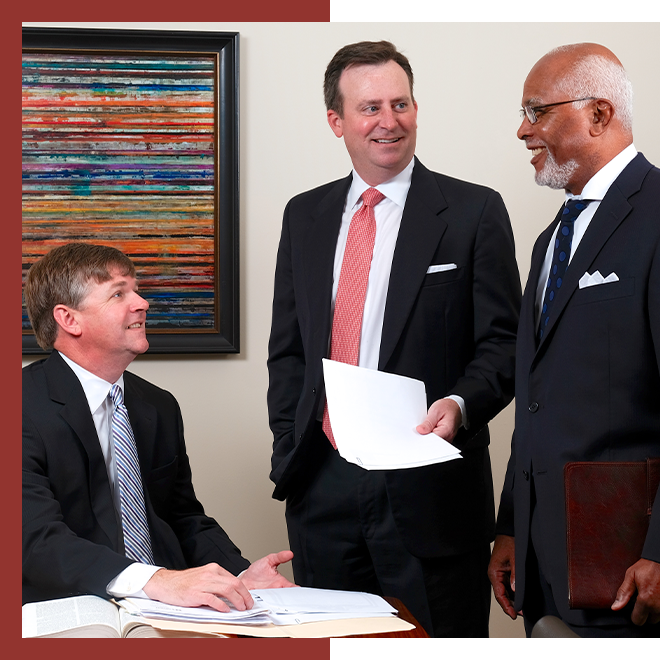
-
Locally Based FirmEvery one of our attorneys is from the local town and graduated Wake Forest Law School.
-
Thousands of Cases SettledOur legal team has experience handling all manner of criminal cases and have a comprehensive list of satisfied clients.
-
Focus on Client ExperienceOur clients are our top priority. Each team member treats every client with respect and every case with discretion.
-
Experience on Both SidesThe majority of our lawyers are former prosecutors and know how the system works.