Spousal Abuse Criminal Defense Attorney in Winston-Salem
Facing A Spousal Abuse Charge In North Carolina
If you have just been accused or arrested for spousal abuse, you may be worried about jail, a criminal record, and what will happen to your family. North Carolina treats domestic and spousal abuse allegations very seriously, and cases in Forsyth County can move quickly.
At Grace, Tisdale & Clifton P.A., we focus our practice on criminal defense and represent people who are accused of domestic and spousal abuse. Our firm is based in Winston-Salem, and our attorneys regularly appear in Forsyth County courts and other courts across North Carolina. Many of our lawyers previously served as criminal prosecutors, and we now use that courtroom experience to defend people who are facing serious charges.
We understand that you may feel overwhelmed, misunderstood, or ashamed. Our role is to protect your rights, explain the process clearly, and help you make informed decisions about your future. You can speak with us confidentially about what happened, and we will treat you with respect while we evaluate how we can help.
Accused of spousal abuse? Speak with our spousal abuse criminal defense lawyer today. Call (336) 515-6552 or schedule your confidential consultation online.
Why Our Firm For Spousal Abuse Charges
When you are deciding who should defend you, you need more than a general criminal lawyer who occasionally handles domestic cases. You need a legal team that understands how prosecutors evaluate spousal abuse allegations, how judges in Forsyth County tend to view these cases, and what evidence can make the difference in a close situation. Our attorneys bring that perspective because many of us previously served as criminal prosecutors in North Carolina courts.
That background helps us anticipate how the state may try to prove a spousal abuse case, from the way officers write reports and collect statements to how prosecutors use medical records, photographs, or 911 calls. We have stood on both sides of the courtroom, and we draw on that experience when we analyze the strength of the evidence that is now being used against you. This insight allows us to identify weaknesses, raise legal challenges, and pursue negotiating positions that are grounded in how these cases really work.
Our firm is based in Winston-Salem and handles criminal matters across North Carolina in both District and Superior Courts. We also handle appeals, which means we understand how decisions at the trial level can affect a case for years to come. Our attorneys have received recognition and awards for criminal defense advocacy, and those honors reflect our commitment to careful preparation and strong advocacy, not promises about any particular result.
Just as important, we place a high value on client service. Facing a spousal abuse charge is highly personal, and it can affect your home, your children, your employment, and your reputation. We work to keep you informed about every significant development, return your calls, and answer your questions in plain language. When you meet with us, we listen closely to your side of the story so we can plan a defense that fits your situation and your goals.
What Happens After A Spousal Abuse Arrest
After a spousal abuse arrest in this part of North Carolina, the first hours and days are often confusing and stressful. You may have been taken into custody, brought before a magistrate for an initial bond decision, and told that you cannot return home. In many domestic cases, the court also considers a domestic violence protective order, sometimes called a DVPO or a restraining order, which can limit where you live and whom you may contact.
In Forsyth County, a case that begins with a misdemeanor charge typically starts in District Court in Winston-Salem. You usually have a first appearance where the judge reviews bond, confirms whether you understand the charge, and may address no-contact conditions or other release terms. If your spouse or partner has also filed for a separate civil protective order, you may have a hearing in civil District Court, often scheduled quickly.
Protective orders can have serious effects. They may require you to move out of the shared home, stay a set distance away from your spouse, surrender firearms, and avoid any direct or indirect contact. Even if your spouse later wants contact or feels the order is no longer necessary, the court order controls your conduct, and violating it can lead to new criminal charges.
Many people in this situation believe that if the spouse wants to “drop the charges,” the case will simply end. In North Carolina, the decision about whether to go forward is made by the prosecutor, not by the accuser. Prosecutors may consider the accuser’s wishes, but they also look at the evidence, any prior history, and public safety concerns. This is where having a spousal abuse criminal defense lawyer Winston-Salem residents can rely on becomes important, because we understand how prosecutors review domestic files and how to present information in a way that can affect those decisions.
If you have been arrested, several immediate steps can help protect your rights:
- Avoid discussing the incident with anyone except your attorney, including by text or social media.
- Follow all conditions of release and any protective orders, even if your spouse contacts you first.
- Keep all papers you received from the jail or court, and bring them to your meeting with us.
- Write down what you remember about the incident and any witnesses while the details are fresh.
When you contact our firm, we can review your paperwork, explain your upcoming court dates, and begin working to protect your ability to work, maintain family relationships within legal limits, and avoid mistakes that could make your situation worse.
Our Approach To Defending Spousal Abuse Cases
Every spousal abuse case has its own facts and history. We begin by gathering and reviewing all available information, including the charging documents, police reports, any available video, photographs, medical records, and any protective orders. We also talk with you in detail about what happened that day and about the broader context of your relationship, because courts and juries often hear only a small portion of the story.
In many spousal abuse cases, issues such as self-defense, mutual arguing, alcohol use, or ongoing family or custody disputes may be present. We look carefully at whether the physical evidence truly matches the accusation, whether statements were taken while people were upset or intoxicated, and whether there are inconsistencies in what different witnesses reported. Our goal is to identify where the state’s version of events may be incomplete, exaggerated, or inaccurate.
Our prosecutorial background is particularly valuable at this stage. Because many of our attorneys used to prosecute domestic-related charges, we understand how the state typically evaluates the strength of a case and which weaknesses can matter. We use that knowledge when deciding whether to file motions, challenge the admissibility of certain statements, or argue that evidence is insufficient to support a particular level of charge.
At the same time, we recognize that the outcome of a spousal abuse case can affect far more than the criminal file. A conviction or even certain findings in court can influence divorce proceedings, child custody decisions, professional licenses, and immigration status. When we discuss options with you, we talk about how different strategies and potential resolutions may affect these other parts of your life so that you can choose a path that reflects your priorities.
Some cases move toward trial, while others involve negotiation about reduced charges, program options, or other potential resolutions. We prepare for hearings and trials with the same focus on detail that we bring to our negotiations. We work to present the facts clearly, challenge unfair assumptions, and make sure that decision makers hear your side of the story.
Consequences Of A Spousal Abuse Conviction
Allegations involving a spouse or intimate partner can be charged under several different North Carolina offenses, and the potential penalties vary by charge level and prior record. Convictions for offenses related to domestic and spousal abuse can include active jail time, supervised probation, fines, and mandatory counseling. In repeat or more serious cases, felony charges and longer sentences may be possible.
The impact often extends beyond the criminal sentence. North Carolina and federal law can restrict the possession of firearms for many people who are convicted of certain domestic violence-related offenses or who are subject to qualifying protective orders. Employers and licensing boards often run background checks, and a conviction for a domestic-related offense can raise concerns about judgment or safety that may affect hiring or professional standing.
There can also be serious family law consequences. In custody and divorce cases, findings of domestic violence can influence decisions about primary custody, visitation, or supervised contact. Courts may consider past incidents as well as the current case, and a criminal conviction can carry weight in those discussions.
Because the stakes are so high, it is important to understand what you are facing before you make decisions about how to resolve your case. While no attorney can promise a result, working with a knowledgeable criminal defense team gives you a better opportunity to understand your options, avoid avoidable mistakes, and pursue an outcome that limits long-term damage as much as the facts allow.
Frequently Asked Questions
Will I go to jail for a first spousal abuse charge?
Not every first spousal abuse charge results in jail, but the risk depends on the specific allegation, any prior history, and how the court views the facts. We review your record, the evidence, and local practices, then explain the range of possible outcomes and what may influence a sentencing decision.
Can I talk to my spouse if there is a protective order?
If a protective order or release condition says you must have no contact, you must follow that order, even if your spouse reaches out to you. Violating the order can lead to new charges. We can review the order with you and discuss whether and how to ask the court to change its terms.
What if my spouse wants to drop the charges?
In North Carolina, the prosecutor decides whether to continue or dismiss a case, not the accuser. Your spouse’s wishes can be important, but they are only one factor. Our attorneys, many of whom are former prosecutors, understand how these decisions are made and how to present information that may be helpful.
How soon should I contact a lawyer after an arrest?
You should contact a lawyer as soon as possible after an arrest. Early representation can help with issues like bond, protective orders, and preserving evidence. When you call us, we work to review your paperwork quickly, explain upcoming court dates, and begin planning a defense strategy with you.
What will happen in my first meeting with your firm?
In your first meeting, we listen to your account of what happened and review any documents you bring, such as warrants or protective orders. We explain the charges, likely next steps in Forsyth County courts, and how our firm may approach your defense. The conversation is confidential and respectful.
Talk To Our Winston-Salem Defense Team
Spousal abuse allegations can affect where you live, whether you can see your family, and how you move forward with your life. The choices you make early in the case, including whom you hire to represent you, can shape your options in Forsyth County courts and beyond.
At Grace, Tisdale & Clifton P.A., our attorneys bring years of criminal trial experience, including prior service as prosecutors, to the defense of people accused of spousal and domestic abuse-related offenses. We are based in Winston-Salem, and we work to provide clear communication, careful analysis of the evidence, and a defense strategy that reflects your goals and circumstances.
If you are looking for a spousal abuse criminal defense attorney Winston-Salem residents can call for guidance. We encourage you to contact us promptly. Early involvement gives our team more time to review what happened, address protective order or bond issues, and protect your rights from the start.
Speak with an experienced spousal abuse criminal defense lawyer today. Schedule your consultation online or call (336) 515-6552 to protect your rights now.
What Makes Our Team the Right Choice?
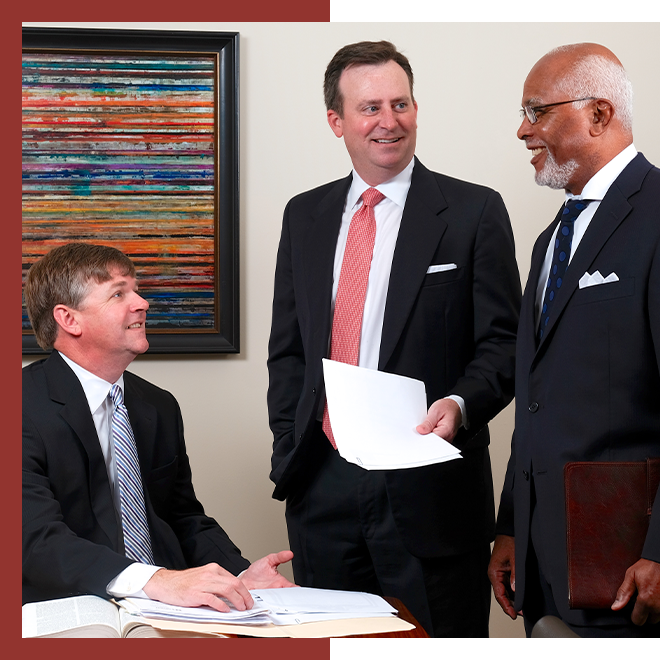
-
Locally Based FirmEvery one of our attorneys is from the local town and graduated Wake Forest Law School.
-
Thousands of Cases SettledOur legal team has experience handling all manner of criminal cases and have a comprehensive list of satisfied clients.
-
Focus on Client ExperienceOur clients are our top priority. Each team member treats every client with respect and every case with discretion.
-
Experience on Both SidesThe majority of our lawyers are former prosecutors and know how the system works.