Prescription Fraud Lawyer in Winston-Salem
Board-Certified State & Federal Defense. Over 150 Years of Combined Experience.
Prescription fraud charges in North Carolina can move fast, and the consequences reach further than most people expect. A conviction under the North Carolina Controlled Substances Act can mean felony sentencing, a permanent criminal record, or the loss of a professional license. At Grace, Tisdale & Clifton P.A., our Winston-Salem criminal defense attorneys bring over 150 years of combined experience to these cases, and many on our team have served as criminal prosecutors. That background shapes how we read the state’s evidence from day one.
If you’re facing a prescription fraud investigation or charge in Winston-Salem or anywhere in North Carolina, contact Grace, Tisdale & Clifton P.A. at (336) 515-6552 to discuss your situation with a criminal defense attorney who knows how this case can be built against you.
Why Board Certification in State & Federal Criminal Law Matters Here
Christopher R. Clifton is a North Carolina Board Certified Specialist in both State and Federal Criminal Law, a distinction held by fewer than 3% of attorneys in North Carolina. That dual certification is directly relevant to prescription fraud cases because the same underlying conduct can be charged under state statute or escalate into a federal healthcare-fraud proceeding, depending on who is involved and what programs were billed.
Our prosecutorial background gives us a clear-eyed view of how these cases are assembled. We know which evidence the state can rely on, where the gaps tend to appear, and how to challenge the prosecution’s theory before it gains traction.
North Carolina’s Prescription Fraud Statute
Prescription fraud in North Carolina is prosecuted under N.C. Gen. Stat. § 90-108, part of the North Carolina Controlled Substances Act. The statute is broader than most people realize. It covers:
- Doctor shopping: Seeking prescriptions from multiple providers for the same controlled substance without disclosing prior prescriptions
- Prescription forgery or alteration: Modifying a legitimate prescription or creating a fraudulent one
- False identity: Using another person’s name or identification to obtain medication
- False registration numbers: Using a falsified or stolen DEA registration number to obtain or distribute a controlled substance
The statute doesn’t only apply to patients. Physicians, pharmacists, healthcare facility staff, and others in the prescription chain can all face charges depending on their role in the alleged conduct.
Felony vs. Misdemeanor: How Charges Are Classified & Sentenced
Classification turns on intent. Under G.S. 90-108(b), a violation is generally charged as a Class 1 misdemeanor. When the criminal pleading alleges the violation was intentional, as is typically the case with fraud, forgery, deception, or subterfuge, the charge is elevated to a Class I felony. Violations involving diversion of controlled substances by registrants, practitioners, or their employees can carry separate felony classifications. North Carolina’s structured sentencing system weighs both offense classification and prior criminal record to determine the sentencing range, so the distinction is significant.
A felony conviction carries consequences beyond prison time. It can affect firearm rights and, for anyone holding a healthcare license, can trigger a licensing board investigation that threatens their ability to practice. We account for these collateral consequences when building a defense strategy.
When Prescription Fraud Becomes a Federal Case
State charges can become federal exposure when prescription fraud involves Medicare or Medicaid billing. Federal healthcare fraud investigations can also be triggered by DEA drug diversion units acting on tips from patients, employees, or others, separate from routine provider audits. Federal cases arising from Forsyth County are handled through the U.S. District Court for the Middle District of North Carolina, Winston-Salem division. We represent clients in both state and federal proceedings across North Carolina, and Christopher Clifton’s board certification in federal criminal law applies directly to this track.
How Prescription Fraud Cases Move Through Forsyth County Courts
Forsyth County sits in North Carolina’s 31st Judicial District. Misdemeanor charges are heard in District Court, while felony charges move to Superior Court. Both courts operate through the Forsyth County Courthouse in Winston-Salem. Understanding where a case is headed procedurally matters from the first appearance, and our familiarity with local practice informs how we prepare and position each defense.
Discuss Your Case with Our Winston-Salem Defense Team
Early representation can give you an opportunity to shape how this case develops. Our attorneys can review the allegations against you, assess the strength of the state’s or federal government’s evidence, and advise you on your options before critical decisions are made. Contact Grace, Tisdale & Clifton P.A. at (336) 515-6552 to schedule a consultation.
What Makes Our Team the Right Choice?
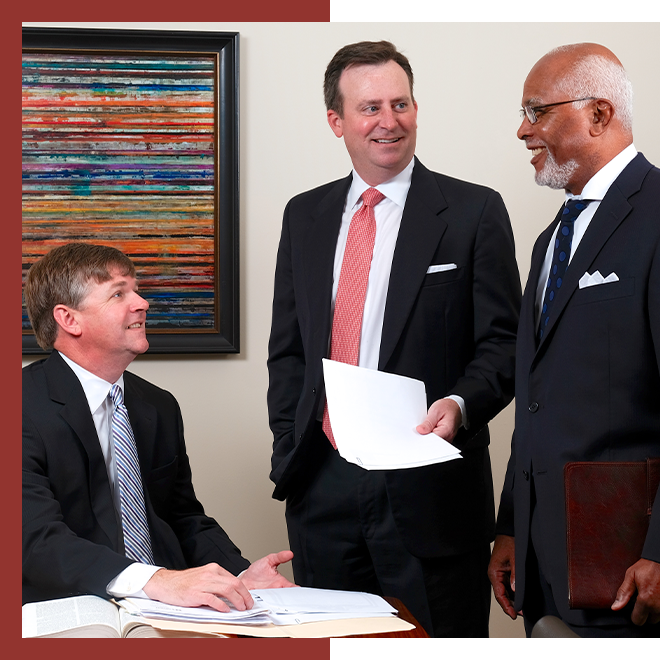
-
Locally Based FirmEvery one of our attorneys is from the local town and graduated Wake Forest Law School.
-
Thousands of Cases SettledOur legal team has experience handling all manner of criminal cases and have a comprehensive list of satisfied clients.
-
Focus on Client ExperienceOur clients are our top priority. Each team member treats every client with respect and every case with discretion.
-
Experience on Both SidesThe majority of our lawyers are former prosecutors and know how the system works.